Eating Well with Endometriosis: Foods That Help and Foods to Avoid
Discover how an anti-inflammatory diet can help manage endometriosis symptoms. Learn which foods to embrace for relief and which ones to limit for better wellbeing.
Living with endometriosis means navigating daily challenges that many people don't see. While there's no cure for this condition that affects roughly 1 in 10 women, research increasingly shows that what we eat can make a meaningful difference in managing symptoms. An anti-inflammatory diet won't eliminate endometriosis, but it can be a powerful tool in your management toolkit.
Understanding the Connection Between Diet and Endometriosis
Endometriosis is fundamentally an inflammatory condition. The endometrial-like tissue growing outside the uterus triggers an immune response, leading to chronic inflammation, pain, and other symptoms. This is where diet comes in: certain foods can either fuel inflammation or help calm it down.
The goal isn't perfection or restriction—it's about making informed choices that support your body. Think of it as adding more of the good stuff while being mindful of potential triggers.
Foods to Embrace
Omega-3 Rich Foods
Omega-3 fatty acids are your inflammation-fighting allies. Research has shown that women with higher consumption of omega-3s were 22% less likely to be diagnosed with endometriosis. These healthy fats help reduce the production of inflammatory compounds in your body.
- Fatty fish like salmon, sardines, mackerel, and herring
- Chia seeds and flaxseeds
- Walnuts and hemp seeds
- Extra virgin olive oil
- Avocados
Fiber-Rich Foods
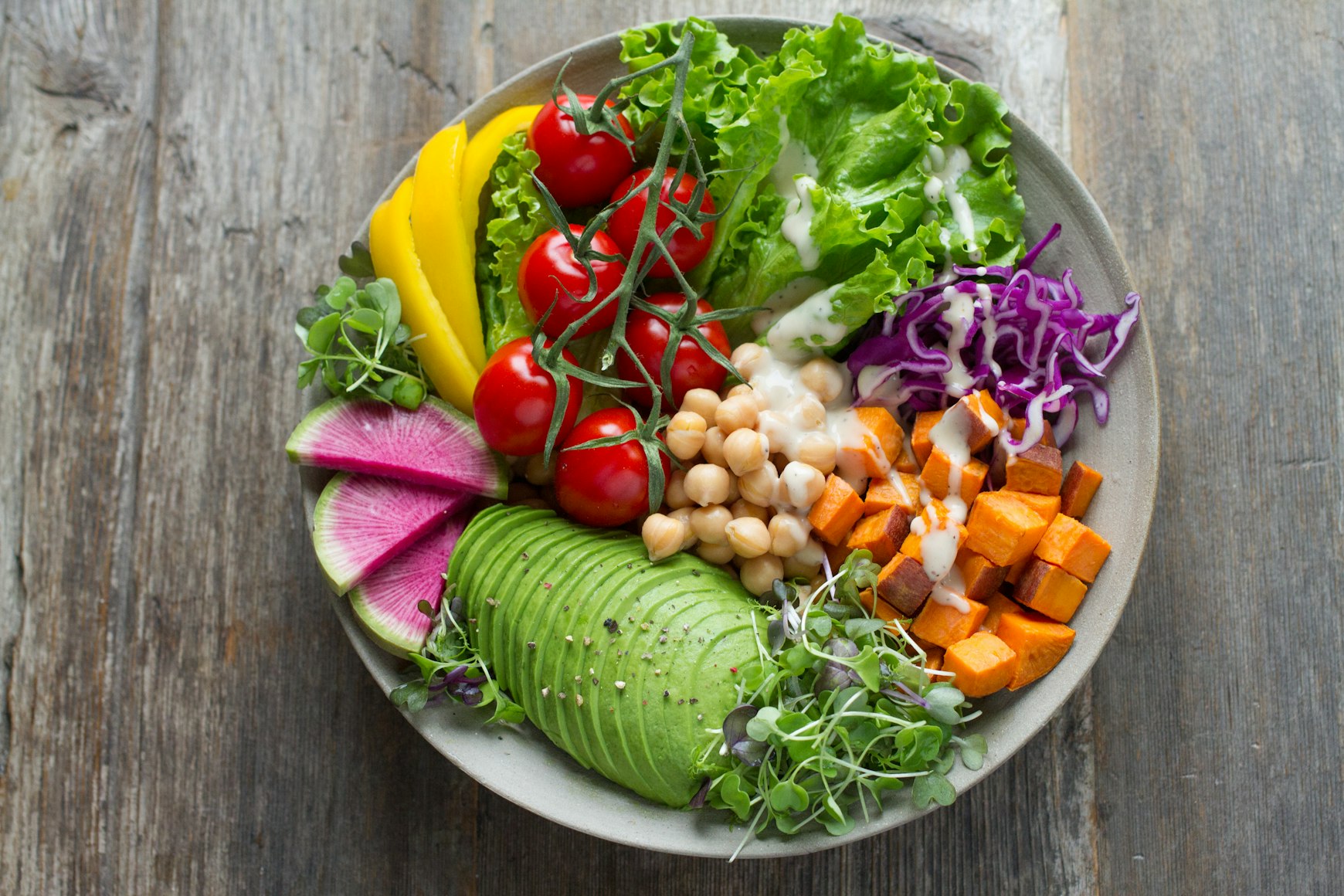
Fiber plays a crucial role in hormone balance. It helps your body eliminate excess estrogen—important because high estrogen levels can worsen endometriosis symptoms. Aim for about 35 grams of fiber daily through whole foods.
- Leafy greens like spinach, kale, and arugula
- Cruciferous vegetables: broccoli, cauliflower, Brussels sprouts
- Legumes: lentils, chickpeas, black beans
- Whole grains: quinoa, brown rice, oats
- Fruits: berries, apples, pears with skin
Antioxidant Powerhouses
Antioxidants help combat oxidative stress, which is elevated in women with endometriosis. Vitamins C and E, in particular, have been shown to reduce chronic pelvic pain and decrease inflammation.
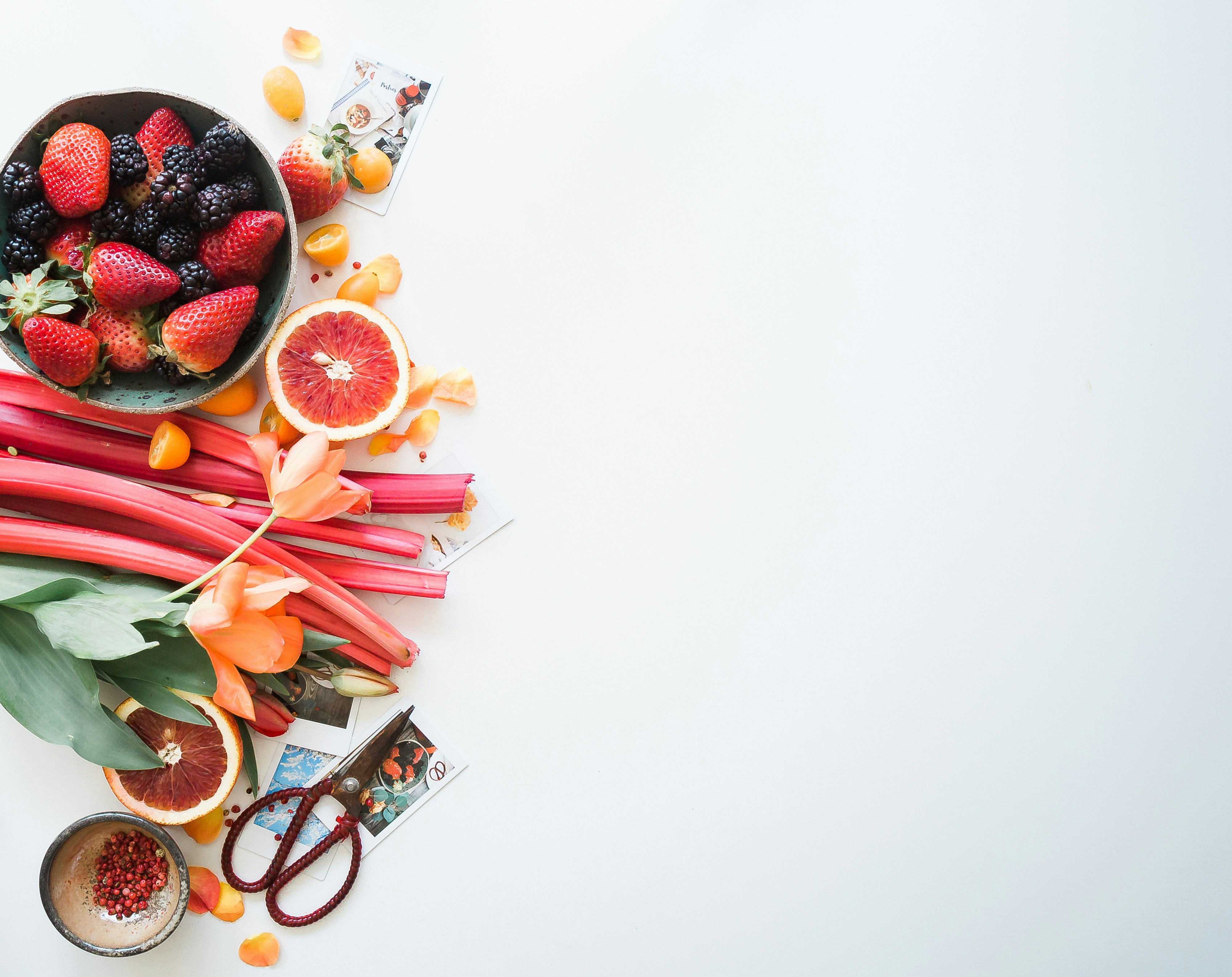
- Colorful berries: blueberries, strawberries, blackberries
- Citrus fruits: oranges, grapefruit, kiwi
- Dark leafy greens
- Nuts and seeds
- Dark chocolate (in moderation!)
- Bell peppers and tomatoes
Anti-Inflammatory Herbs and Spices
Turmeric deserves special attention. Its active compound, curcumin, has been shown to inhibit endometrial cell growth by reducing estrogen production. Ginger is another warming spice with powerful anti-inflammatory properties.
- Turmeric (add black pepper to increase absorption)
- Ginger
- Garlic
- Rosemary and oregano
- Green tea (contains EGCG, a potent anti-inflammatory)
Magnesium-Rich Foods
Magnesium helps ease muscle cramps, including the menstrual cramps that often accompany endometriosis. It has an anti-spasmodic effect, promoting muscle relaxation and supporting pain management.
- Bananas and avocados
- Dark chocolate
- Pumpkin seeds
- Almonds and cashews
- Spinach and Swiss chard
Foods to Limit or Avoid
Just as some foods help calm inflammation, others can fan the flames. Being mindful of these doesn't mean complete elimination—it's about awareness and moderation.
Trans Fats and Processed Foods
Research has found higher rates of endometriosis among women who consume more trans fats. These are found predominantly in fried foods, processed snacks, and commercially prepared baked goods. They promote inflammation and can worsen symptoms significantly.
Red Meat
Studies show that women who ate red meat seven or more times a week were more likely to have endometriosis than those who ate it three times or less. Red meat is high in heme iron, which can promote inflammation. If you do eat red meat, choose organic, grass-fed options and keep portions moderate.
Alcohol
Regular alcohol consumption can increase inflammation and negatively impact estrogen levels—both problematic for endometriosis management. Consider reducing intake or exploring alcohol-free alternatives for social occasions.
Refined Sugars and Carbohydrates
White bread, pastries, sugary drinks, and refined carbohydrates can spike blood sugar and promote inflammatory responses. Swap these for whole grain alternatives and naturally sweet foods like fruit.
A Note on Gluten
The research on gluten and endometriosis is interesting. One study found that 75% of participants experienced reduced pain when eliminating gluten. However, this may be related to reducing FODMAPs (a type of carbohydrate) rather than gluten itself. Before eliminating any food group, consider working with a registered dietitian for personalized guidance.
Practical Tips for Getting Started
Changing your diet doesn't have to be overwhelming. Small, sustainable shifts often work better than dramatic overhauls.
- Start by adding more vegetables to meals you already enjoy
- Swap one red meat meal per week for fatty fish
- Keep a food journal to identify your personal triggers
- Cook more at home where you control ingredients
- Stay hydrated—water helps with bloating and overall digestion
- Consider a Mediterranean-style eating pattern as your framework
Important Reminders
Diet is just one piece of the endometriosis puzzle. It works best alongside medical treatment, adequate rest, stress management, and gentle movement. What works for one person may not work for another, so pay attention to how your body responds.
Before making significant dietary changes or starting supplements, always consult with your healthcare provider or a registered dietitian. They can help you create a plan that's tailored to your specific needs and ensure you're meeting all your nutritional requirements.
"Nutrition cannot reverse endometriosis, but following an anti-inflammatory diet that focuses on fruits and vegetables, fiber, and healthy fats can help ease symptoms including bloating and pain."
Living well with endometriosis is about finding what works for your body. Food can be medicine, comfort, and joy—sometimes all at once. By making thoughtful choices and listening to your body, you're taking an active role in your wellbeing. And that's something to feel good about.